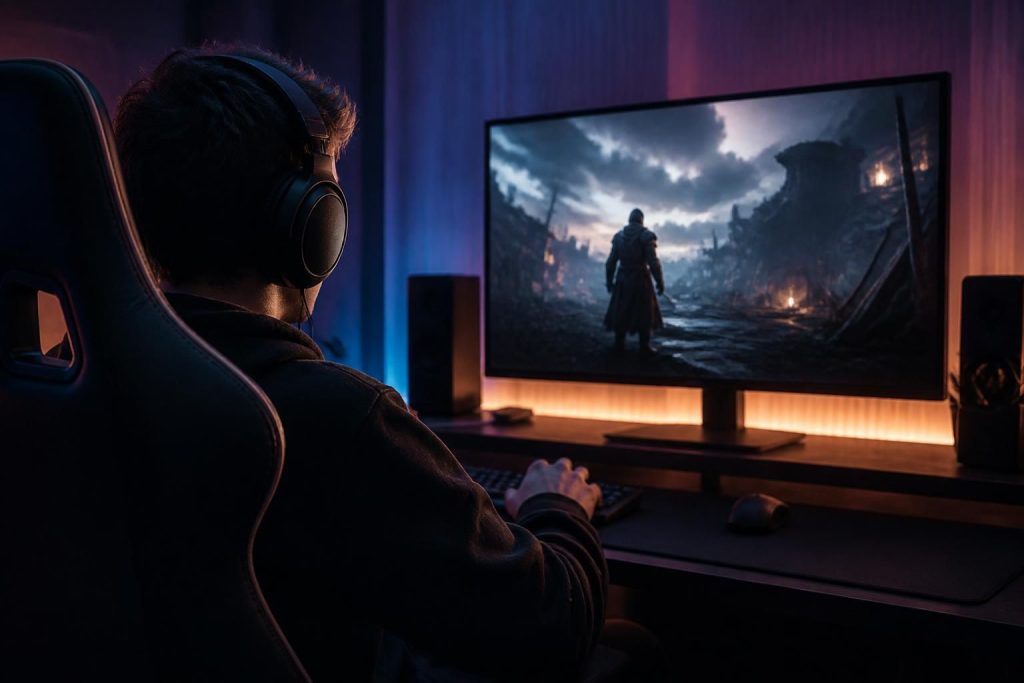
Game soundtracks and music play a crucial role in shaping the overall experience of players, enriching gameplay and enhancing emotional connections to virtual worlds. Whether through orchestral scores, thematic melodies, or ambient sounds, the music in video games is a powerful tool used by developers to immerse players in their narratives and gameplay. As the gaming industry continues to evolve, so does the complexity and importance of its soundtracks, making it a fascinating topic for exploration.
How Game Soundtracks Enhance Immersion
Immersion in gaming is not just about stunning graphics and engaging gameplay; soundtracks significantly contribute to the emotional depth and atmosphere of the experience. A well-composed score can evoke specific feelings, transport players into different settings, and even dictate the pace of gameplay. For instance, the use of dynamic music that changes based on the player’s actions can create a more responsive and engaging environment. This technique is evident in games such as The Legend of Zelda: Breath of the Wild, where the music subtly shifts to match the player’s exploration and encounters.
Moreover, soundtracks often incorporate ambient sounds that reflect the game’s setting. The rustling of leaves in a forest or the distant howls of monsters can create a richer soundscape that complements the visuals. This careful crafting of game music and sound effects helps build a believable world, allowing players to lose themselves in the narrative and gameplay.
The Emotional Connection Through Game Music
One of the most compelling aspects of game soundtracks and music is their ability to forge strong emotional connections between players and the game’s narrative. Composers understand that certain melodies can resonate deeply with players, triggering memories or feelings that enhance the overall experience. Games like Final Fantasy VII have iconic soundtracks that have become synonymous with the characters and stories they represent, leading to a lasting impact on players long after they have finished the game.
Additionally, certain musical themes can become associated with particular characters or moments in the game, reinforcing their significance. For example, the emotional weight of a character’s journey can be heightened through the use of a recurring melody that accompanies their scenes, making the player’s connection to the narrative more profound. This emotional tether created by game soundtracks and music can contribute to the game’s legacy and its place in the hearts of players.
Innovative Uses of Music in Modern Gaming
As technology advances, so too does the approach to game soundtracks. Innovative techniques, such as procedural generation of music, are being utilized to enhance gameplay experiences. Instead of relying on a linear soundtrack, some games generate music that responds to player actions in real time, creating a unique auditory experience for each playthrough. Titles like No Man’s Sky exemplify this approach, where the music evolves dynamically based on the exploration of various planetary environments.
Furthermore, virtual reality (VR) gaming presents new opportunities for sound design. With immersive environments, game soundtracks can be spatially designed to envelop players in sound. This creates a heightened sense of presence and engagement, where players can hear sounds coming from specific directions, simulating a more realistic experience. As game soundtracks and music continue to integrate with technological advancements, the possibilities for immersive and innovative experiences will expand. For more on this topic, see สล็อต.
The Role of Cultural Influences in Game Music
Game soundtracks also reflect cultural influences and trends, drawing inspiration from various musical styles around the world. Many contemporary game scores incorporate elements from different genres, such as classical, jazz, rock, or electronic music, allowing games to present diverse soundscapes that resonate with players from different backgrounds. This blend of styles enriches the gaming experience and can introduce players to new genres and artists.
Moreover, some games integrate traditional music from specific cultures to enhance authenticity and representation. For example, titles like Ghost of Tsushima utilize traditional Japanese instruments and melodies to create an authentic sound that complements the game’s historical setting. Such intentional choices in game soundtracks and music not only enhance immersion but also educate players about different cultures and musical traditions.
Game Soundtracks as Standalone Art
The popularity of game soundtracks has led to their recognition as standalone art forms, with many album releases receiving critical acclaim. Composers are increasingly celebrated for their work, and soundtracks often top music charts, evidencing their cultural significance. Concerts featuring video game music are becoming popular events, showcasing the talent of composers and the emotional impact of their scores.
For example, music from franchises like Halo and Skyrim have gained a dedicated following, with fans attending orchestral performances that celebrate the music and its connection to the gaming experience. This trend highlights the evolving perception of game soundtracks, recognizing them as integral to the art of storytelling in games.
Conclusion: The Indispensable Role of Game Soundtracks and Music
In conclusion, game soundtracks and music are indispensable elements of the gaming experience. They enhance immersion, forge emotional connections, and evolve with technological advancements while reflecting cultural influences. As players continue to engage with interactive narratives, the significance of soundtracks will only grow, ensuring that music remains a vital part of how stories are told in the digital age. The future of game soundtracks promises even more innovative compositions and experiences that will continue to captivate audiences, bridging the worlds of music and gaming in exciting new ways.
For those interested in exploring this unique intersection further, the evolution of game soundtracks holds many treasures awaiting discovery, including popular titles and emerging trends in music composition for gaming.